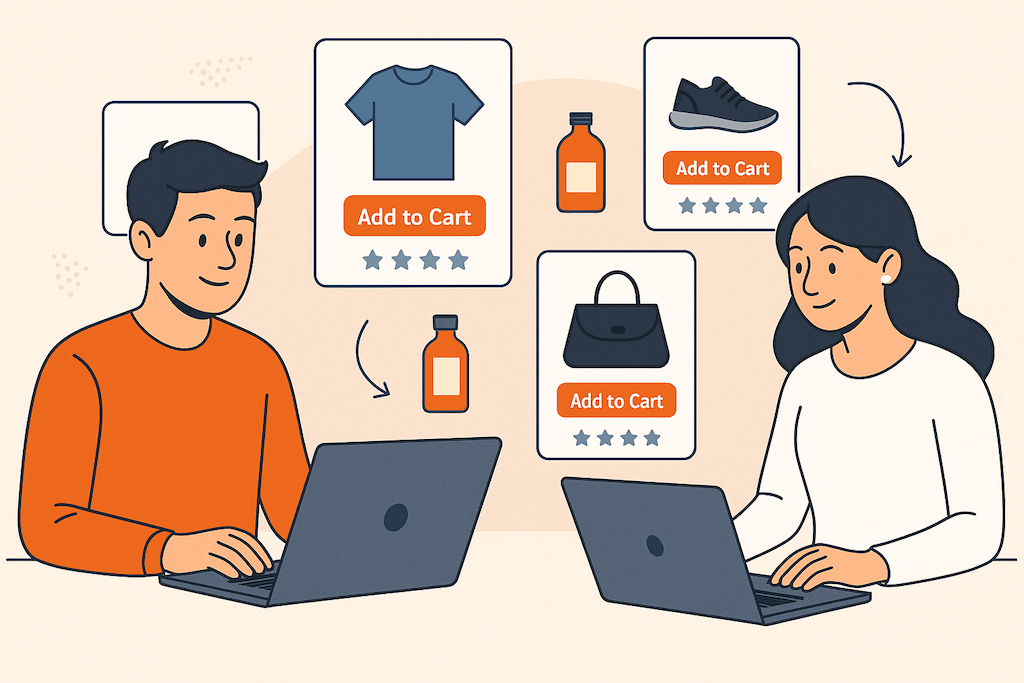

Most websites are still operating with a static mindset in a market that now expects dynamic experiences. Visitors arrive from different channels, engage with brands in different ways, and move through the buying journey at different speeds, yet many businesses continue showing every user the same content, the same offers, and the same calls-to-action.
That disconnection is becoming increasingly expensive.
Customer expectations have evolved far beyond generic digital experiences. Today’s consumers expect relevance in real time. They expect websites to understand intent, adapt messaging, and create seamless interactions across every touchpoint. Businesses that fail to deliver that level of personalization are losing engagement, conversions, and long-term customer value to competitors that can do it.
This is why AI website personalization and customer data platform marketing strategies are becoming central to modern growth systems. Artificial intelligence and Customer Data Platforms (CDPs) are not simply improving personalization tactics. They are fundamentally changing how companies acquire, convert, and retain customers at scale.
The Real Problem Behind Most Personalization Strategies
Many companies believe they already have personalization because they use segmented email campaigns, dynamic banners, or basic recommendation tools. In reality, most of these systems are still reactive and limited by fragmented data structures.
The core issue is that customer’s information often lives in disconnected systems. Website behavior sits in analytics platforms, CRM records exist separately, advertising engagement is isolated within ad platforms, and automation tools operate independently from the website experience itself.
As a result, businesses struggle to create a truly personalized customer experience because they lack a unified view of user behavior and intent.
This creates several operational problems:
- Messaging becomes inconsistent across channels
- Funnel stages are difficult to identify accurately
- Automation workflows remain generic
- Personalization rules feel static
- Customer journeys lose continuity
- Revenue attribution becomes unreliable
The issue is not a lack of data. Most companies already collect enormous amounts of behavioral information. The problem is that the data is not centralized, activated, or connected strategically.
That is where AI personalization marketing and customer data platform marketing strategies change the equation.
Why Traditional Website Personalization No Longer Works
Traditional website personalization was built around fixed rules and broad segmentation models.
Businesses created predefined audience categories and assigned static experiences based on assumptions about customer behavior. For example, returning visitors might see one banner while new users see another. Email campaigns were triggered using simple “if-this-then-that” automation logic.
While these methods represented progress years ago, they no longer reflect how modern customer behavior works.
Today’s users move fluidly across devices, channels, and buying stages. Their intent changes rapidly, and static personalization systems cannot adapt quickly enough to respond meaningfully in real time.
Modern personalization requires systems capable of interpreting behavioral data continuously and adjusting experiences dynamically as customer intent evolves.
That is why companies are moving toward AI website personalization powered by Customer Data Platforms.
How AI and CDPs Transform Website Personalization
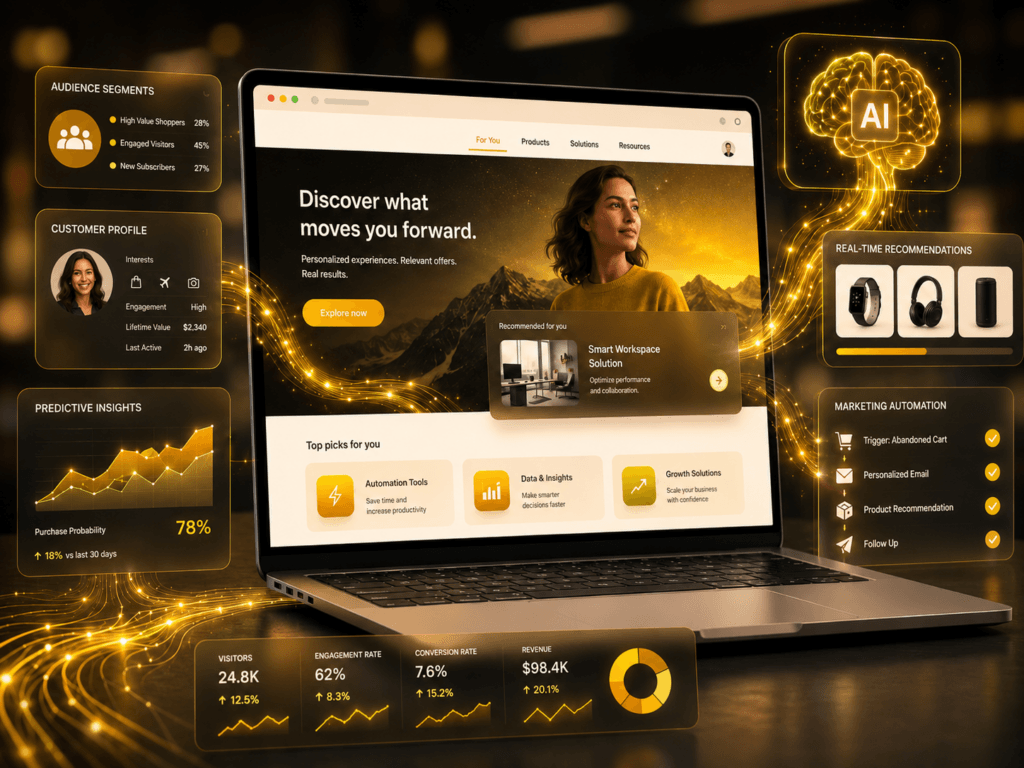
When AI website personalization is combined with a Customer Data Platform, marketing shifts from reactive execution to predictive growth optimization.
Instead of waiting for users to complete actions manually, the system begins anticipating intent and adapting experiences proactively.
This transformation typically includes several key capabilities.
Real-Time Personalization
Website content adjusts instantly based on live behavioral activity rather than relying on broad audience assumptions.
Predictive Segmentation
Users are grouped according to future likelihood to convert, purchase, or churn instead of only historical behavior.
Next-Best-Action Recommendations
AI determines which message, product, or CTA a visitor should see next based on intent probability and behavioral patterns.
Omnichannel Synchronization
Website experiences, email campaigns, CRM workflows, paid media, and automation systems operate together instead of independently.
Automated Decision Making
Businesses reduce reliance on manual rules and allow AI systems to optimize personalization dynamically based on performance data.
This is where behavioral data marketing becomes significantly more powerful because customer behavior directly influences the experience in real time across every touchpoint.
If your personalization strategy relies on manual segmentation and static rules, you’re operating below market standards.
Book a Growth Strategy Consultation with Cultura Interactive to explore how AI and CDPs can transform your marketing performance.
Why Advanced Personalization Platforms Are Driving This Shift
The growth of AI website personalization is being accelerated by a new generation of advanced personalization and Customer Data Platform technologies designed to unify customer data, automation, and real-time decision-making.
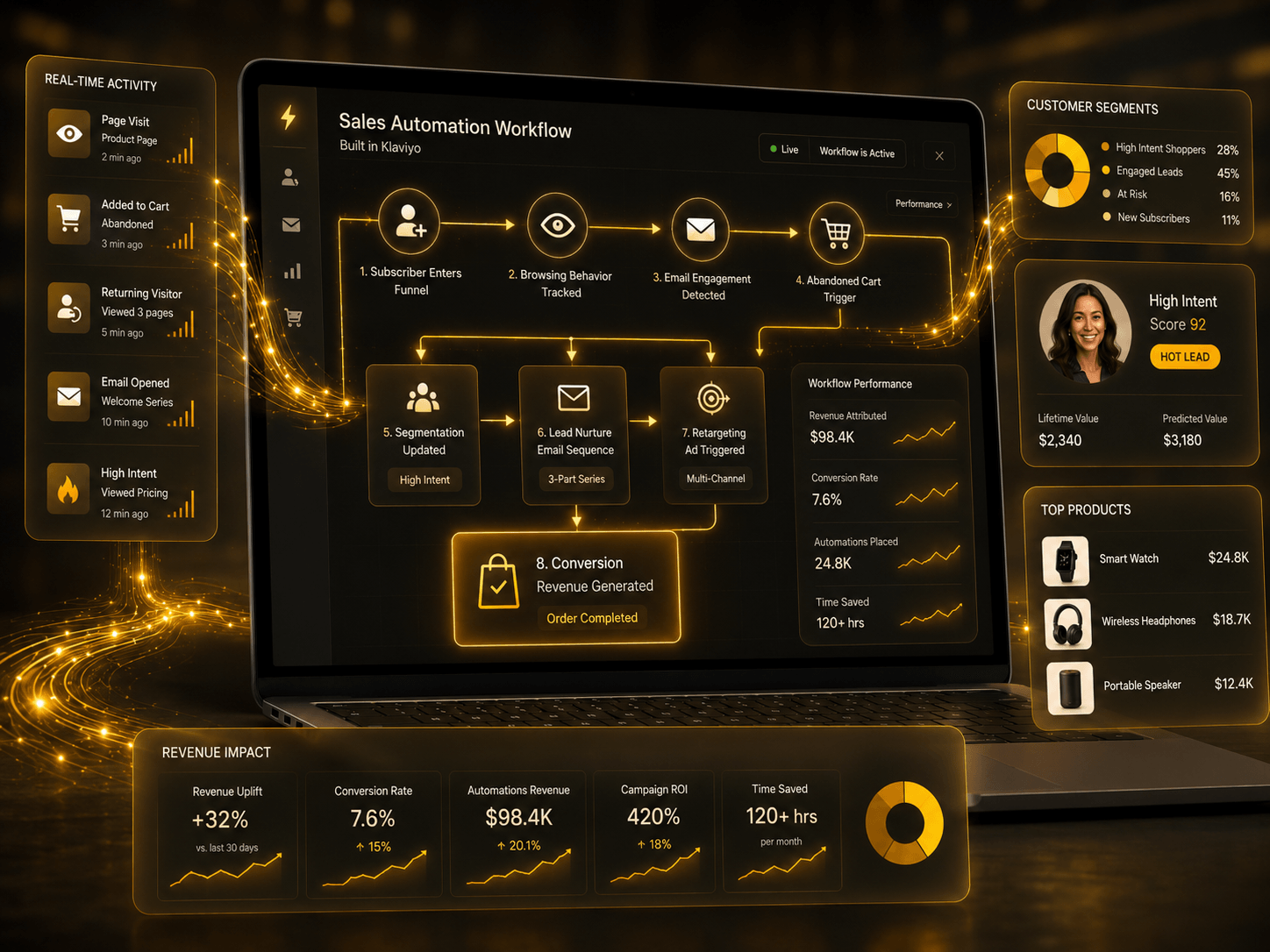
These platforms combine capabilities such as: Customer data platform marketing infrastructure, AI-driven personalization engines, real-time behavioral tracking, predictive analytics, marketing automation and omnichannel orchestration
What makes these systems valuable is not just their ability to collect data, but their ability to activate it intelligently across the entire customer journey.
Businesses can use these technologies to: Predict purchase intent, identify high-value customer segments, trigger personalized journeys automatically, optimize communication timing, deliver dynamic website experiences in real time, coordinate messaging across websites, CRM systems, email, ads, and mobile channels
This is where modern personalization strategies become significantly more powerful. Instead of reacting to customer behavior after the fact, companies can anticipate intent and adapt experiences proactively.
As AI personalization marketing continues evolving, businesses are moving away from static campaign execution and toward connected systems that continuously optimize the personalized customer experience based on live behavioral data.
That shift is redefining how companies approach conversion optimization, customer retention, and long-term revenue growth.
The Revenue Impact of AI Website Personalization
The financial impact of AI personalization marketing extends far beyond user experience improvements.
Companies implementing advanced personalization systems consistently see improvements in:
- Conversion rates
- Customer lifetime value
- Retention performance
- Average order value
- Marketing efficiency
- Customer engagement
- Revenue attribution visibility
These improvements happen because personalization increases relevance throughout the funnel. When users receive experiences aligned with their behavior, intent, and stage in the buying journey, they engage more naturally and convert more efficiently.
AI makes that relevance scalable across thousands or even millions of interactions simultaneously.
This is why real-time personalization is becoming a core revenue strategy rather than simply a UX enhancement.
How AI and CDPs Transform Website Personalization
Instead of waiting for users to complete actions manually, advanced systems anticipate intent and adapt experiences proactively.
Real-Time Personalization
Website content adjusts instantly based on live behavioral activity rather than relying on broad audience assumptions. Every click, scroll, and search shapes the experience in the exact moment.
Replaces: Static rules & delayed segmentation
Predictive Segmentation
Users are grouped according to future likelihood to convert, purchase, or churn instead of only historical behavior. AI models identify hidden patterns that human analysts would miss.
Replaces: Manual list building & broad audiences
Next-Best-Action Recommendations
AI determines which message, product, or CTA a visitor should see next based on intent probability and behavioral patterns, guiding them naturally towards conversion.
Replaces: Generic "One-size-fits-all" banners
Omnichannel Synchronization
Website experiences, email campaigns, CRM workflows, paid media, and automation systems operate together instead of independently, creating a unified journey.
Replaces: Disconnected marketing silos
Automated Decision Making
Businesses reduce reliance on manual rules and allow AI systems to optimize personalization dynamically based on performance data and continuous machine learning.
Replaces: Complex manual "if-then" workflows
Operating below market standards?
Stop relying on manual segmentation and static rules.
The Future of Marketing Is Predictive
Marketing is rapidly evolving away from manual execution and reactive campaigns.
The future belongs to businesses capable of building predictive systems powered by AI website personalization, behavioral data marketing, and Customer Data Platforms.
The shift is already happening:
- Reactive campaigns are becoming predictive growth systems
- Manual segmentation is being replaced by AI-driven decision making
- Generic experiences are evolving into adaptive customer journeys
- Static websites are becoming intelligent growth platforms
Companies that adopt these systems early will gain a major competitive advantage because they will understand customer behavior faster, personalize more effectively, and optimize revenue generation more efficiently than competitors still relying on traditional marketing models.
Ready to Implement AI Website Personalization?
If your current website personalization strategy still relies on static segmentation, disconnected data, or manual workflows, there is a strong chance your business is operating below modern market expectations.
AI website personalization and Customer Data Platforms are changing how companies compete online by enabling smarter decision making, more relevant customer experiences, and scalable growth optimization.
At Cultura Interactive, we help companies design and implement AI-driven personalization systems that improve conversions, strengthen retention, and create measurable revenue growth.
Schedule Your Personalization Strategy Call Today and discover how AI personalization marketing and customer data platform marketing can transform your digital growth strategy