

Most eCommerce businesses aren’t short on data. Their dashboards can show them how many people visited the site, how many placed an order, what the conversion rate was, and how much each customer spent on average. Those numbers are useful, but they only tell part of the story. They show what happened, not what led to it.
A product might receive hundreds of views without generating many add-to-carts. Shoppers may begin checkout and leave before completing their purchase. Some customers return for a second order, while others never come back. A promotion may perform well with one group and fall flat with another. These behaviors aren’t random. They are clues.
Behavioral data helps connect the dots by showing what customers do throughout their journey: what they browse, what they return to, where they hesitate, and when they leave. The real opportunity isn’t collecting more data or tracking every possible click. It’s identifying the behaviors that signal interest, hesitation, or buying intent—and using those insights to improve conversion, increase average order value, encourage repeat purchases, and create more relevant customer experiences.
When businesses understand what happens before the sale or before a shopper walks away they can make better decisions about where their next revenue opportunity may be.
What is Behavioral Data in eCommerce?
Behavioral data comes from the actions customers take across your store and marketing channels. This includes the products they view, the searches they make, what they add to their cart, whether they complete checkout, how often they purchase, and how they engage with emails and promotions. Unlike demographic data, which tells you who a customer is, behavioral data shows what they may be trying to do.
For example, someone who views the same product several times is showing interest but may still have questions or concerns. A customer who normally orders every 45 days but hasn’t returned in 90 days may be at risk of leaving. These actions are more than data points. They are signals of interest, hesitation, and changing customer needs—and they can reveal where the next revenue opportunity may be.
Why Traditional eCommerce Reporting isn’t Enough
Traditional analytics are useful. Metrics like conversion rate, average order value, cart abandonment, and total revenue show how the store is performing.
But they don’t always explain why.
Behavioral analytics looks deeper. It shows which customers are leaving, what they viewed before leaving, and how their actions differ from those who complete a purchase. It can also reveal which behaviors commonly happen before a customer buys again.
This helps eCommerce teams move beyond reporting results. By connecting customer actions to revenue, they can better understand what is working, where customers are getting stuck, and what needs to improve.
Six Revenue Opportunities Behavioral Data Can Reveal
The real value of behavioral data comes from what you do with it. Customer actions can point to several revenue opportunities that may otherwise go unnoticed.
1. High-Intent Visitors Who Aren’t Converting
Someone who returns several times, repeatedly views the same product, checks shipping information, or adds an item to their cart is showing clear interest.
These visitors should not receive the same experience as a first-time browser. More relevant product recommendations, reviews, FAQs, cart reminders, or stronger calls to action may help them take the next step.
2. Product Interest That Never Reaches the Cart
A product may receive plenty of traffic but very few add-to-carts. That doesn’t always mean there is no demand.
The problem could be unclear pricing, missing product information, weak positioning, confusing options, or a lack of trust. Behavioral data shows where interest begins to drop, giving the business a clearer idea of what to test on the product page.
3. Cart Abandonment Is More Than an Email Opportunity
Not every abandoned cart tells the same story. A first-time shopper may need reassurance, while a repeat customer may simply need a reminder. Someone who keeps adding and removing the same product may be hesitating over price or product fit.
Understanding these differences allows brands to adjust the message, timing, website content, and recovery strategy.
4. Repeat Purchase and Reorder Opportunities
Some products naturally have a reorder cycle. Behavioral and purchase data can reveal how often customers typically return, which products they reorder, and when someone has passed their usual purchase window.
This makes it possible to send a timely reorder reminder instead of a generic “We miss you” message.
5. Cross-Sell and Upsell Opportunities
Customer behavior can also show which products are frequently viewed or purchased together.
These patterns can guide bundles, complementary product recommendations, post-purchase emails, and “Complete your setup” experiences. Recommendations become more useful when they are based on real customer behavior.
6. Customers Showing Early Signs of Churn
Revenue reports often show customer loss after it has already happened. Behavioral data can reveal the warning signs earlier.
A repeat customer may stop visiting the site, stop engaging with emails, or pass their normal reorder date. Identifying this change early gives the business an opportunity to launch a more relevant retention or winback strategy before the customer is completely lost.
Find Your Next Revenue Opportunity
You may already have the traffic and customers needed to grow. The next opportunity could be hidden in how they browse, buy, and return.Behavioral Segmentation Should Change the Customer Experience
A segment sitting inside a dashboard does not create revenue on its own. The value comes from using what you know to create a more relevant customer experience. The question should always be:
Now that we know this about the customer, what should we do differently?
Website Experience
A first-time visitor may need help understanding the brand, while a returning shopper may want to continue exploring products they previously viewed. A cart abandoner may need an easy path back to checkout, and a repeat customer may be more interested in complementary products.
Email and SMS
Messages can respond to real customer activity, including product views, category interest, cart behavior, purchase history, and expected reorder timing. This makes communication feel more timely and relevant.
Product Recommendations
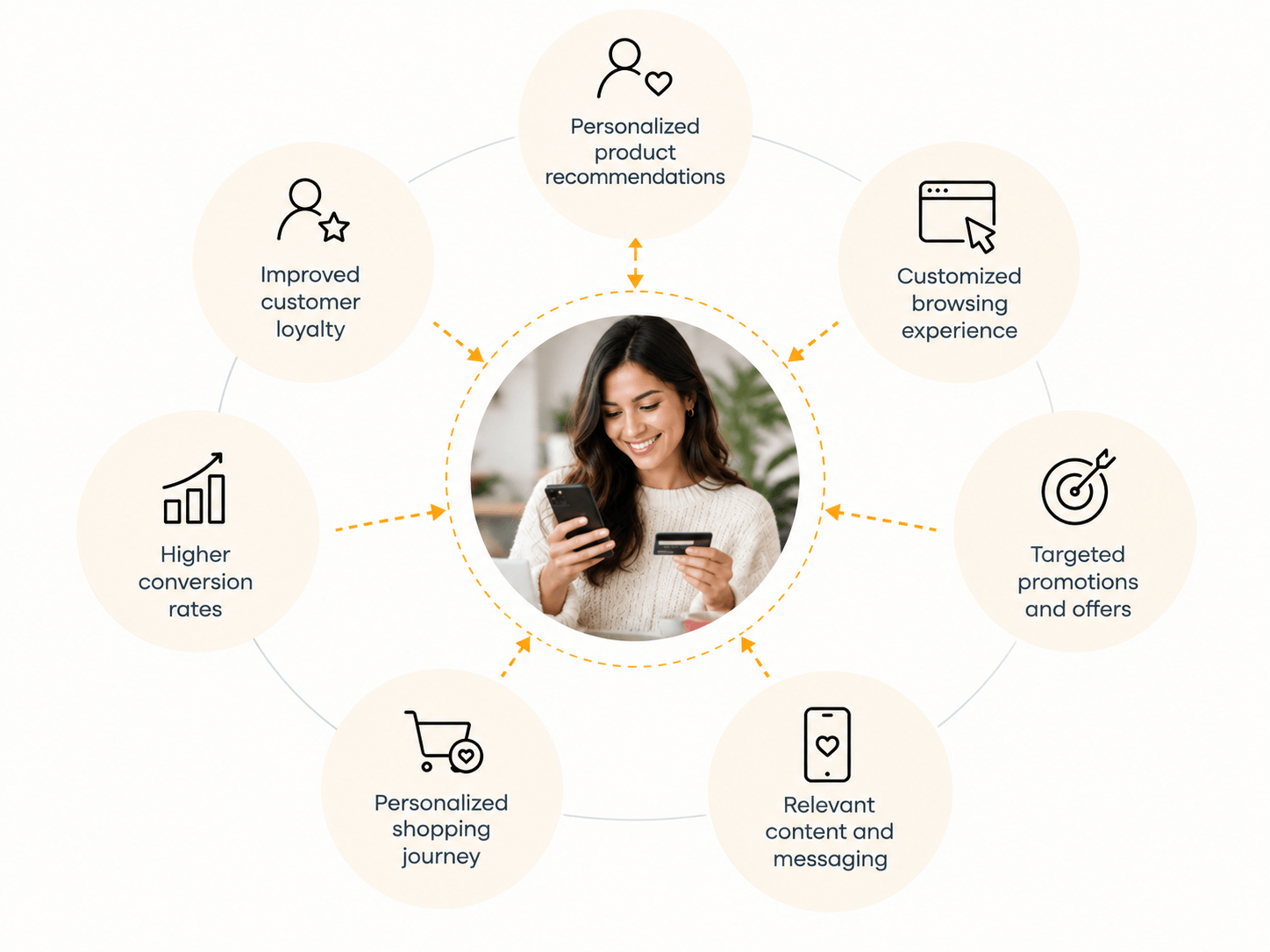
Instead of showing every customer the same bestsellers, brands can recommend products based on individual browsing and purchase history.
Offers
Not every customer needs a discount to convert. Behavioral data can help identify when an incentive may influence the decision—and when a customer is already likely to purchase without one.
This is what turns behavioral segmentation from an analytics exercise into a practical revenue strategy.
From Behavioral Data to Dynamic Website Personalization
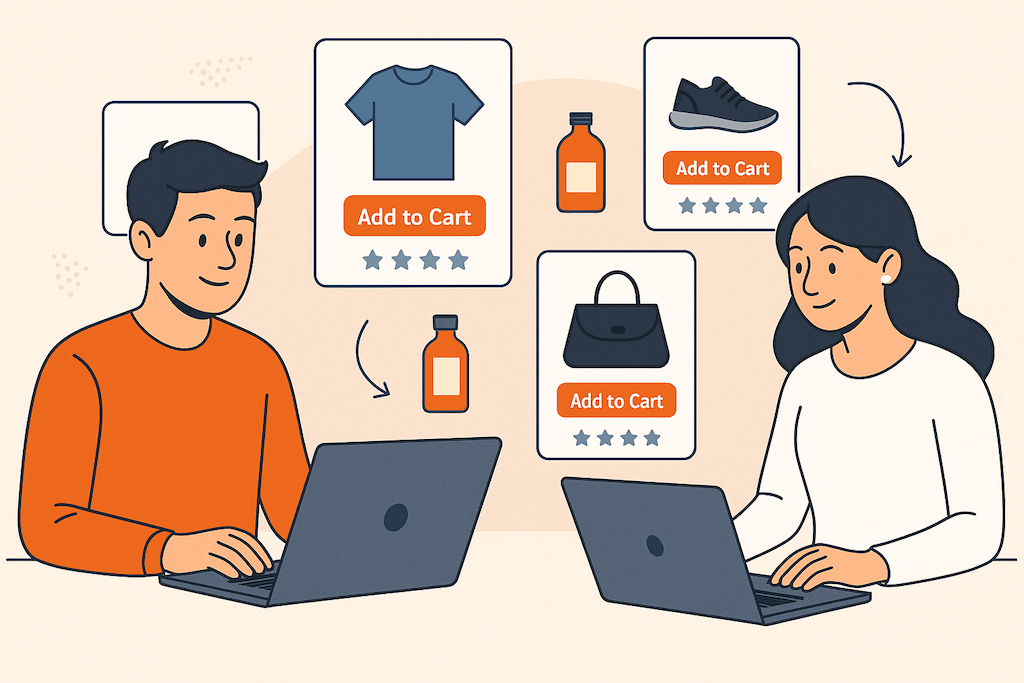
Behavioral data becomes especially powerful when it changes the website itself. Consider three visitors entering the same homepage:
Visitor A: First visit, no browsing history.
Visitor B: Has viewed several products but hasn’t purchased.
Visitor C: Has products sitting in their cart.
Why should all three see the same homepage? They have completely different needs. A dynamic eCommerce experience could show:
Visitor A
- Brand explanation
- Bestsellers
- Social proof
- Category discovery
Visitor B
- Recently viewed products
- Related recommendations
- Stronger trust signals
- Personalized category content
Visitor C
- Cart products
- Checkout CTA
- Purchase reassurance
- Complementary products
The website stops treating traffic as anonymous pageviews and begins responding to the actual customer journey. That is where behavioral data starts influencing conversion in real time.
Live Personalization Simulator
Select a visitor profile to see how the homepage adapts in real-time.
Discover Your New Style
Join thousands of happy customers. Explore our collection of premium quality gear designed for everyday life.
Top Rated
New Arrivals
Eco Friendly
Gift Cards
Trusted by 10,000+ customers
⭐⭐⭐⭐⭐ 4.9/5 Average Rating
Welcome Back!
Still thinking about the Urban Backpack?
Recently Viewed & Recommendations
Urban Backpack
$89.99
Leather Wallet
$45.00
Steel Flask
$25.00
Free Shipping
On orders over $50
Free Returns
Within 30 days
You left something behind!
Complete your order today before items sell out.
Your Cart (2 items)
Running Sneakers
Size: 10 | Color: Black
$120.00
Athletic Socks
3-Pack
$15.00
Your data is protected. 30-day money-back guarantee on all orders.
Pairs well with
Shoe Protector
+$12.00
Where Customer Data Platforms Fit Into the Strategy
As customer data grows, it becomes harder to manage across separate tools. A Customer Data Platform helps connect website activity, customer profiles, transactions, email engagement, segmentation, and automation. Platforms such as Synerise bring these signals together so they can be used for personalization, recommendations, dynamic content, and automated customer journeys.
The process becomes:
Collect → Understand → Segment → Activate → Measure
Instead of leaving behavioral data inside a report, the business can use it to shape the customer experience.
A Simple Behavioral Data Framework
Behavioral data becomes easier to use when every opportunity follows three steps:
- Signal: What is the customer doing?
- Opportunity: What could that behavior mean?
- Action: What should the business change?
| Behavioral signal | Revenue opportunity | Possible action |
| Repeated product views | Conversion | Personalized product content |
| Cart abandonment | Cart recovery | Automated recovery journey |
| Category interest | Cross-sell | Relevant recommendations |
| Reorder date approaching | Retention | Replenishment reminder |
| Declining engagement | Churn prevention | Winback strategy |
The goal is simple: every meaningful signal should lead to a useful action.
Common Behavioral Data Mistakes
Collecting more data does not automatically create growth. Common mistakes include:
- Tracking events without a clear purpose
- Creating segments without changing the customer experience
- Keeping website and marketing data disconnected
- Focusing only on acquisition and cart abandonment
- Measuring activity without connecting it to revenue
Technology can organize data and trigger experiences. The growth strategy still needs to decide which customer behaviors deserve attention.
You May Already Have the Data You Need
Most established eCommerce businesses already collect valuable first-party data through product views, searches, carts, purchases, return visits, and email engagement.
The opportunity is to use those signals to answer practical questions: Where are customers getting stuck? Who is likely to buy again? Which visitors are showing strong intent? Who may be starting to disengage?
When those answers guide website content, automation, and personalization, behavioral data becomes more than something you report. It becomes a tool for growth.
Turn Customer Behavior Into Revenue Opportunities
Your customers are already showing you what interests them, where they hesitate, and when they may be ready to buy again. Your strategy should be able to recognize those signals and respond.
At Cultura Interactive, we help eCommerce businesses turn behavioral data into customer segmentation, marketing automation, website personalization, funnel improvements, and measurable revenue opportunities.