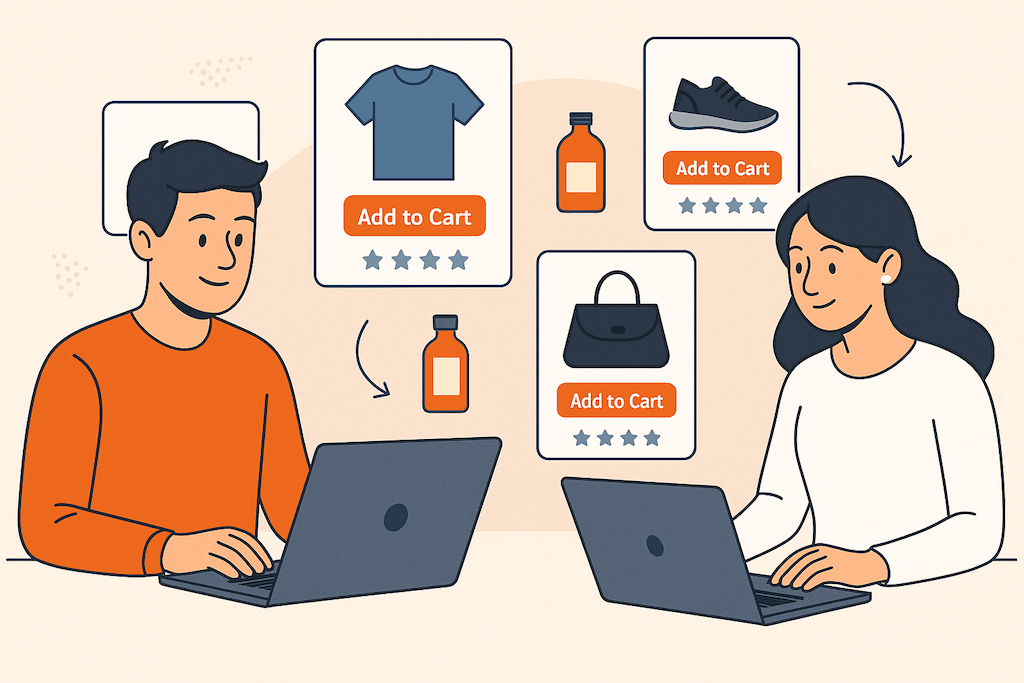


WooCommerce and Shopify power millions of online stores worldwide, but most of them are underutilized. They generate traffic, they process transactions, they collect customer data, but yet they rarely operate as structured growth systems.
The issue isn’t the platform; both WooCommerce and Shopify are powerful eCommerce ecosystems capable of supporting advanced automation, segmentation, and personalization strategies. The real problem is the lack of a connected marketing automation architecture; without it, stores operate as simple transaction engines instead of intelligent revenue systems.
When properly implemented, marketing automation transforms a WooCommerce or Shopify store into a growth engine, connecting behavioral data, CRM systems, automation workflows, and revenue attribution into one scalable ecosystem.
Let’s explore how modern eCommerce companies activate these capabilities inside their platforms. Let’s break down how this works inside these platforms.
Why Most Websites Fail to Generate Revenue
Most online stores struggle because of:
- Lack of alignment between growth strategy and automation workflows
- Poor use of data for segmentation and targeting
- No behavioral audience segmentation based on customer actions
- Static storefront experiences with no dynamic personalization
- Communication channels disconnected from on-site events
- No structured funnel architecture guiding users through the buying journey
- CRM systems not fully synchronized with store behavior
In many cases, companies install tools, but never build a system. They collect data but don’t activate it. They run email campaigns but don’t connect them to customer behavior. They generate traffic but fail to design structured conversion paths.
The result? Disconnected touchpoints. Unqualified leads. Unpredictable growth, but without a unified automation, data, and funnel strategy, they operate primarily as transaction platforms, not as true growth engines.
How Marketing Automation Works in Modern eCommerce Platforms
Marketing automation in eCommerce platforms like WooCommerce and Shopify relies on the ability to connect store activity, customer data, and communication channels into one coordinated system.
When properly implemented, automation turns everyday store interactions into actionable growth signals.
This typically includes integrations between the store platform and tools such as:
- Customer Data Platforms
- CRM systems
- Marketing automation platforms
- Email and SMS communication tools
- Analytics and behavioral tracking systems
These integrations allow stores to transform customer activity into automated workflows.
For example:
- Abandoned cart recovery sequences
- Post-purchase nurturing flows
- Cross-sell and upsell automation
- Customer lifetime value segmentation
- Behavioral retargeting triggers
Instead of sending generic campaigns, automation enables stores to react to customer behavior in real time. This is where eCommerce platforms evolve from transaction systems into intelligent growth engines.
Behavioral Triggers and Funnel Automation
Advanced automation setups allow stores to trigger workflows based on customer intent signals.
Examples include:
- A visitor repeatedly viewing a product category
- A customer abandoning a cart
- A returning buyer browsing complementary products
- A high-value customer entering a loyalty segment
These behavioral signals can automatically trigger:
- Personalized offers
- Targeted email or SMS sequences
- Retargeting campaigns
- Product recommendations
When these triggers are connected to CRM and automation systems, the store begins to operate as a structured revenue funnel instead of a passive storefront.
The 5 Core Components of a Growth Automation System (Platform-Agnostic)
Whether on WooCommerce or Shopify, growth requires:
- Behavioral tracking
- CRM integration
- Segmented automation workflows
- Funnel architecture
- Revenue attribution
Without these five, automation is incomplete.
The Revenue Impact of Marketing Automation
Companies that implement advanced automation typically see:
- Higher lead-to-opportunity conversion rates
- Shorter sales cycles
- Increased average deal size
- Better marketing ROI
- Clear revenue attribution
More importantly, automation creates predictability. Predictability creates scale. And scale drives growth.
"More importantly, automation creates predictability.
Predictability creates scale. And scale drives growth."
The Formula for Modern Marketing Success
Marketing Automation + Website Personalization on WooCommerce & Shopify
The most advanced systems combine automation with personalization.
Examples:
- Dynamic content blocks
- Personalized product recommendations
- Returning visitor messaging
- Smart CTAs based on behavior
- Industry-specific landing pages
Instead of a static experience, users see a responsive, adaptive site. This is where growth accelerates.
If your WooCommerce or Shopify site isn’t fully integrated with automation and CRM systems, you’re operating below its potential.
👉 Schedule a Growth Account Review with Cultura Interactive and discover where your platform is leaking revenue.
Common Automation Mistakes in WooCommerce and Shopify Stores
Even businesses that invest in automation often fail to see real results.Why? Because automation is implemented as a collection of tools rather than a coordinated system.
Some of the most common mistakes include:
- Installing apps or plugins without a clear automation strategy
- Building disconnected technology stacks with no centralized data flow
- Relying on basic platform email features instead of behavioral automation
- Failing to properly map CRM data and customer segmentation
- Ignoring attribution and performance measurement across the funnel
When these issues occur, automation becomes fragmented and difficult to scale.The goal of automation isn’t simply to add more tools. It’s to build an integrated system where customer data, store behavior, and communication channels work together to drive predictable growth.
How Cultura Interactive Implements Automation on WooCommerce & Shopify
At Cultura Interactive, we:
- Architect custom automation systems
- Build revenue workflows
- Design funnel automation frameworks
- Integrate CRMs and marketing automation platforms
- Implement behavioral personalization
- Create measurable revenue attribution models
We don’t just build websites. We turn WooCommerce and Shopify into scalable growth engines.
Ready to Unlock the Full Growth Potential of Your WooCommerce or Shopify Site?
Whether you’re running a B2B WooCommerce funnel or a scaling Shopify store, marketing automation can transform your website into a structured revenue system.
Book your Growth Strategy Call with Cultura Interactive today and discover how to implement automation that actually drives measurable results.